
What Is Wet Dandruff? Here’s a Breakdown of Its Causes, Treatment, and Prevention

Trendy Highlights, Fresh Blowouts, and a New Haircut That Adds Volume — It’s a No-Brainer That Your Hair Is an Extension of Your Personality. Hair May Make or...
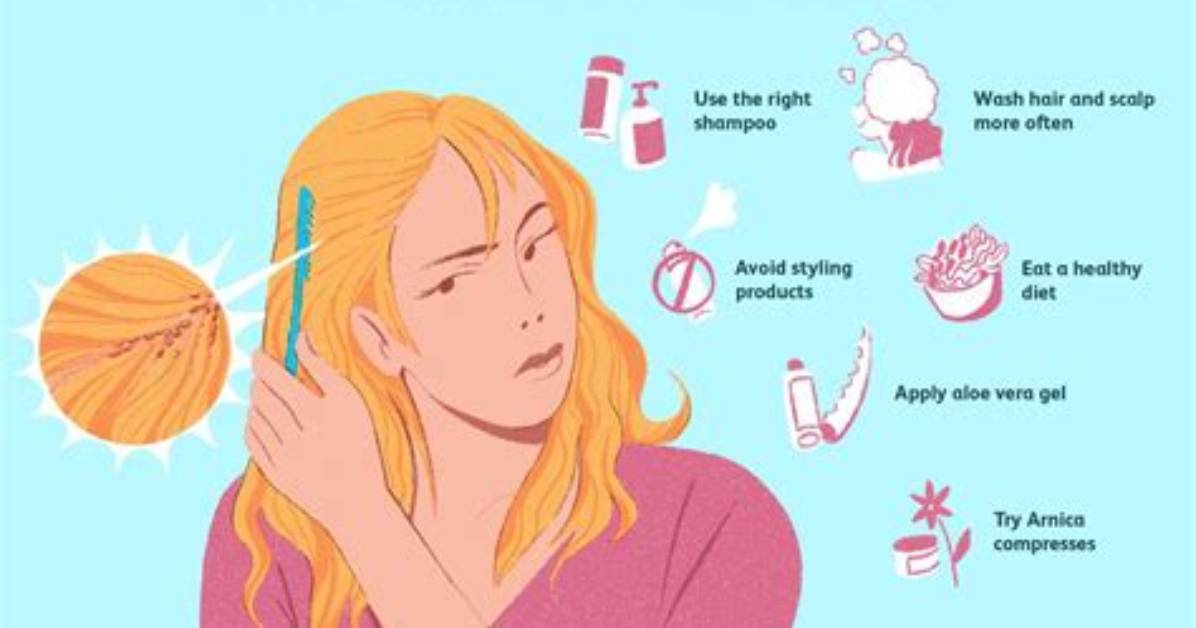
Trendy highlights, fresh blowouts, and a new haircut that adds volume — it’s a no-brainer that your hair is an extension of your personality. Hair may make or break your overall look. But due to environmental factors and a dynamic lifestyle, sometimes it may be tricky to keep your mane healthy and fresh. What’s even worse is when you find dandruff sneaking up on your tresses and shoulders. Are you questioning why is my scalp wet after scratching? You may have become a victim of wet dandruff. It can feel challenging to deal with wet dandruff on the scalp, but treating it is really important, as dandruff can result in various problems, including scalp infections, hair loss, irritation, baldness, and so on (1).
It is very important to treat dandruff as this can serve as the root cause of other serious hair problems like hair fall, baldness, scalp infection, alopecia, to name but a few.
What Is Wet Dandruff?
Dandruff is a common hair concern that affects everyone globally regardless of age, gender, and ethnicity (1). This familiar skin problem has various types and hence, has distinct treatments to combat it.
If you have been getting a sensation of a moist scalp or getting a feeling of an itchy wet scalp, then chances are that you are suffering from wet dandruff. The sebaceous glands in your scalp are responsible for producing sebum (the natural oil in hair) which keeps your tresses hydrated and nourished (2). It also helps tame frizz and make hair more manageable.
However, when these glands produce an excess of sebum, it often leads to a greasy scalp. As a result; external dirt, grime particles, and dead skin cells start getting attracted to this sticky scalp which may cause a buildup on your scalp. Eventually, this dirt forms a layer on the scalp which may feel itchy and wet. This is known as wet dandruff and it may cause a moist flaky scalp (3).
What Is the Difference Between Wet Dandruff and Dry Dandruff?
Differentiating between wet and dry dandruff may be tricky. But here’s what you need to know: a clear line may be drawn between both after examining and understanding the sebum production level in hair (4). Dry dandruff often constitutes white flakes which are typically small in size and fall off from hair with movement. This type of dandruff may not cause any redness or inflammation on the scalp and is generally not long-lasting (1), (3).
While on the other hand, wet dandruff is yellow and causes a buildup of dirt on your scalp (1), (2), (3). This kind of dandruff is sticky and may create large flakes on your scalp which might attract more dirt and grime. Do you feel a sticky liquid coming from your scalp? It might be an adverse effect of this type of dandruff. Further, this common hair problem may also cause a wet flaky scalp which might feel irritating and itchy over time.
Must Read
What Are the Common Causes of Wet Dandruff?
Itchy scalp when wet may be troublesome to handle. But if you understand the causes of this hair and skin problem, it might get easier to navigate and combat it. Ahead, we have put together the common causes of wet dandruff which you should know:
Changes in Your Hormones
Dandruff is a common hair problem that may start from a prepubertal age (1). As you grow up, you undergo hormonal changes and imbalances which are often triggered by factors such as stress, anxiety, PCOD, and more. Due to the changes in hormones, the body may start producing excess sebum. Eventually, this results in an oily, wet scalp that may start attracting dirt and grime particles (2), (5)..
Shampooing Your Hair in an Irregular Manner
Dandruff or no dandruff, it is imperative to shampoo your hair regularly to ensure its health, nourishment, and appearance. When you don’t shampoo your tresses properly, you may invite unwanted hair problems. One of these problems may be wet dandruff which may start accumulating as an oily buildup on your scalp, if not removed (1), (6).
Having an Oily Skin And Scalp
When the sebaceous glands in your body produce excessive sebum, it may lead to oily skin and greasy hair. This situation might cause the accumulation of yellow stuff in hair which comprises external dirt, grime particles, and dead skin cells. Over time, oily skin and scalp may lead to the creation of buildup which may eventually turn into wet dandruff (1), (2), (3). To avoid a wet dandruff scalp, it is important to ensure that hair and scalp don’t get too oily for dirt to thrive on it.
Maya is a hardware enthusiast who tests and reviews smart home devices, smartphones, wearables, and audio gear. She focuses on practical consumer value and build quality.
