
What’s Etl? Extract, Transform & Load Explained

Data Is the Key Driving Force in Most Applications Today. All Data—from Simple Application Logs and System Metrics to User Data—Are Quantifiable Data That Can...
Data is the key driving force in most applications today. All data—from simple application logs and system metrics to user data—are quantifiable data that can be used for data analytics. The importance of data has skyrocketed with the growing popularity and implementation of big data, analytics, and data sciences.
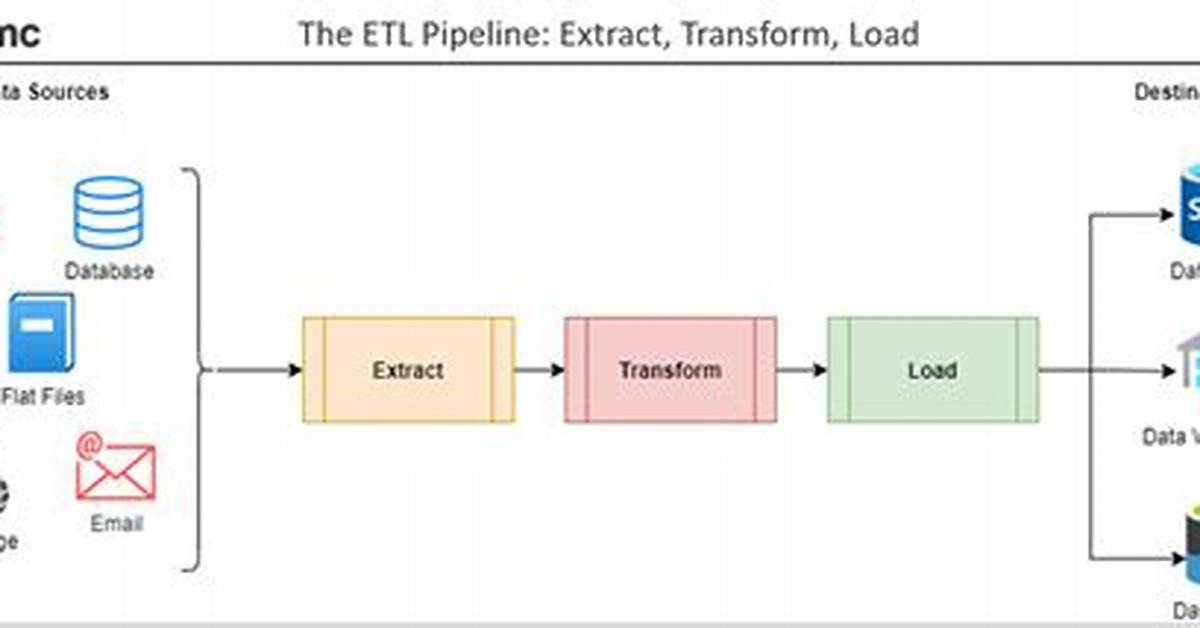
Short for extract, transform & load, ETL is the process of aggregating data from multiple different sources, transforming it to suit the business needs, and finally loading it to a specified destination (storage location).
With the growing popularity of databases in 1970, ETL was introduced as a process for loading data for computation and analysis. However, ETL has now evolved to become the primary method for processing large amounts of data for data warehousing and data lake projects. Thus, ELT has become an important factor in an organizational data strategy.
The primary goals of adapting ETL in organizations are to:
- Create a consolidated view of your data in various formats and multiple locations.
- Streamline the reviewing process leading to better business decisions.
Let’s take a deeper look into ETL in this article.
Extract, transform & load basics
ETL consists of three components:
- Extract
- Transform
- Load
Each of these components or tasks represents a separate function of an ETL pipeline. In this section, we will dive into the exact functionality of these components.
Must Read
ETL: What is Extract?
This is the first step of the ETL process. The basic workflow of the extraction process is to copy or export raw data from different locations and store them in a staging location for further processing. There, the locations from where the raw data is extracted are known as sources or source locations. Sources can consist of any type of structured or unstructured data such as:
- SQL or NoSQL servers
- Flat files
- Emails
- Web pages
- Logs
- CRM and ERP system
- Metrics
- Spreadsheets
It might not be possible to pinpoint exact subsets of data depending on the source in a typical extraction phase. Thus, as a general rule, a broader range of data is extracted to ensure that all the required data is collected.
This is also a crucial factor when dealing with new data sets where users might know the contents as it will be ideal for exploratory analysis with wide-ranging data. The volume and the data sources are dependent on the requirements and the organizational needs.
Extraction can be applied to process kilobytes of data to terabytes of data and can vary between a couple of minutes to days or can be a real-time process.
Marcus Vance is a cybersecurity auditor and technology writer dedicated to educating the public about online safety, data privacy regulations, enterprise security, and emerging cyber threats.
