
When Do Aftershocks Happen?

Small Tremors That Follow an Earthquake Are Considered Aftershocks If They Originate Within the Fault Harbouring the Earthquake or If They Occur Outside the...
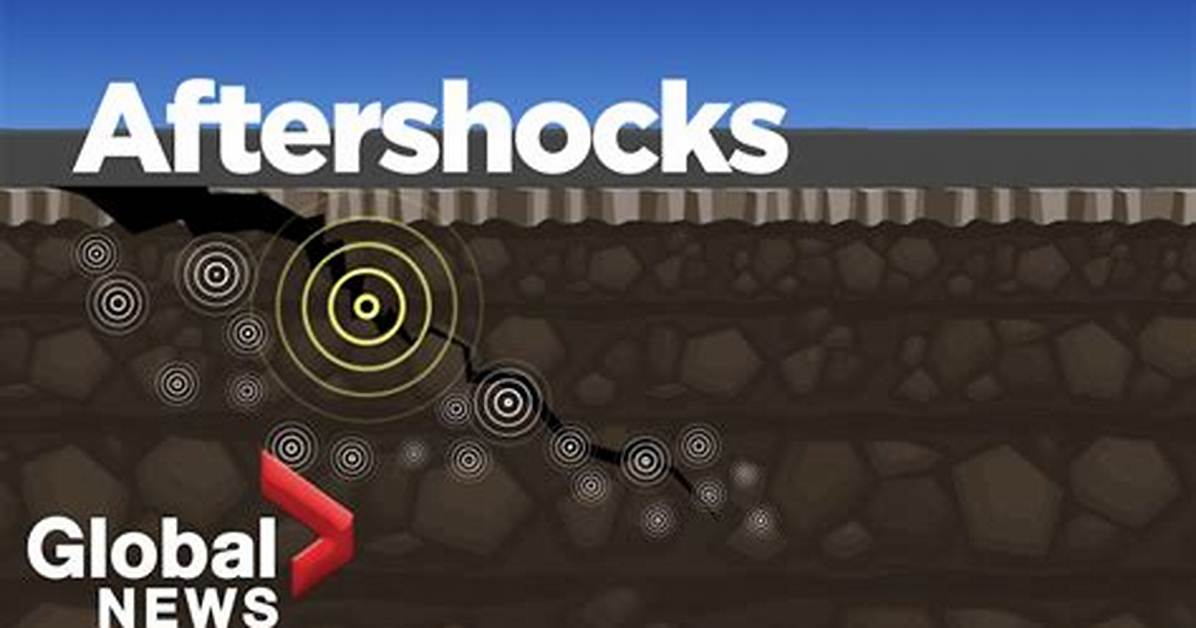
Small tremors that follow an earthquake are considered aftershocks if they originate within the fault harbouring the earthquake or if they occur outside the fault within one full fault length (the measurement of the fault end to end) from the earthquake's epicentre.
How long does it take for aftershocks to hit?
An earthquake large enough to cause damage will probably produce several felt aftershocks within the first hour. The rate of aftershocks dies off quickly. The day after the mainshock has about half the aftershocks of the first day. Ten days after the mainshock there are only a tenth the number of aftershocks.
Do aftershocks always happen after an earthquake?
Aftershocks are most common immediately after the main quake. As time passes and the fault recovers, they become increasingly rare. This pattern of decay in seismic activity is described by Omori's Law but Stein and Liu found that the pace of the decay is a matter of location.
James Sterling reports on renewable energy developments, climate policy, ecological conservation, and green tech innovations around the globe.
