
Whey Protein & Hydrolyzed Whey

Protein Supplementation Has Taken the World by Storm, but Which Form Is Best for You? More and More Researchers Have Favored the Fact That to Grow Muscle at a...
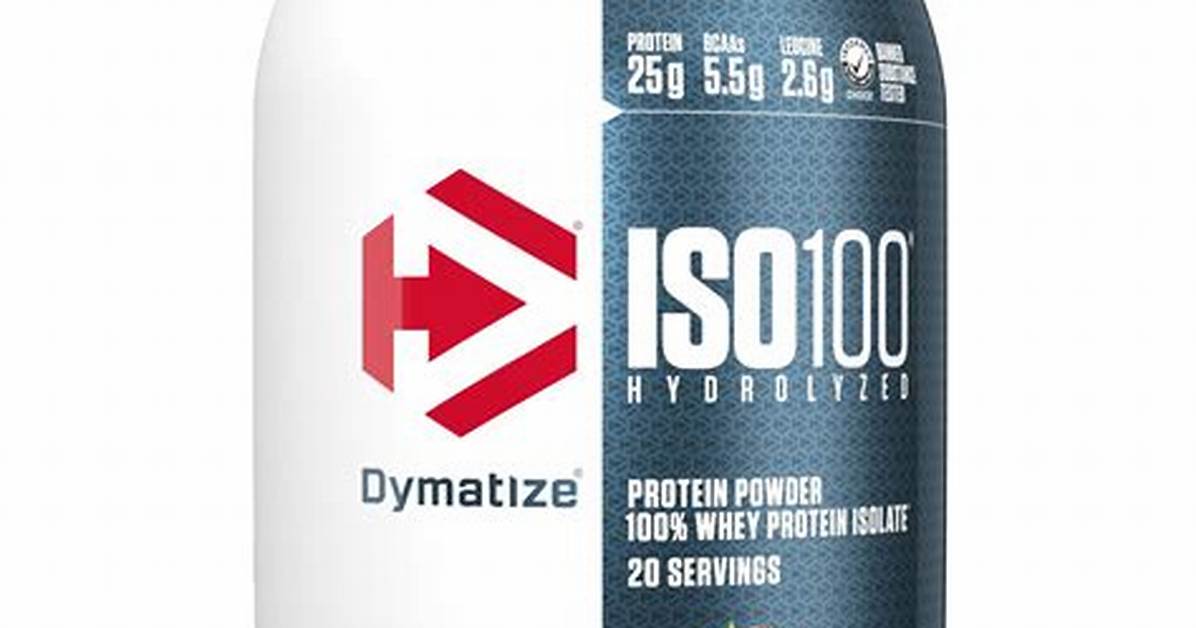
Protein supplementation has taken the world by storm, but which form is best for you?
More and more researchers have favored the fact that to grow muscle at a rapid rate, protein is required. Protein is the key to building muscles no matter what. Further research was carried out to develop alternatives to meat and a dairy-based and vegetarian-friendly protein was developed - this was whey protein.
The development of whey protein was a revolution in the fitness and nutrition industry. Whey protein is a fast and convenient way to fulfil protein requirements anytime, anywhere.
Whey protein exists in multiple types:
There are factors that differentiate between all three and consumption of each one of them depends on an individual’s need.
The article aims at exploring the main differences between whey protein and hydrolyzed whey protein. It would also cover some basics about whey protein isolate as well, which is intermediate to hydrolyzed whey protein.
Must Read
What is whey protein?
Whey protein is milk, or rather a cheese derivative - it's obtained from the liquid made when cheese is produced. Whey is not a single protein structure - it consists of peptides and polypeptides.
Whey's profile has some protein structures like alpha-lactalbumin, beta-lactoglobulin, IgGs, glycomacropeptides, and bovine serum albumin. The peptide profile consists of lactoferrin, lactoperoxidases, and lysozyme - a mouthful, eh?
The presence of these structures is significant and that is what makes whey protein awesome! The general process of production of whey involves separation of the important peptides from the leftover solution and packs it up as a whey powder. The peptide profile exists as a rare fraction and the advancement in filtration technology ensure that the peptides are not lost.
Sarah Jenkins is a veteran tech journalist with over 12 years of experience covering artificial intelligence, mobile innovations, and digital ethics. Her insights have appeared in leading technology publications worldwide.
