
Whey vs Plant Protein for Muscle Protein Synthesis | Nutritionist Reviews

Muscle Protein synthesisThere's Simply No Other Way to Start off a Protein Video Than Talking About Muscle Protein Synthesis, or Mps. Mps Uses the Amino Acids...
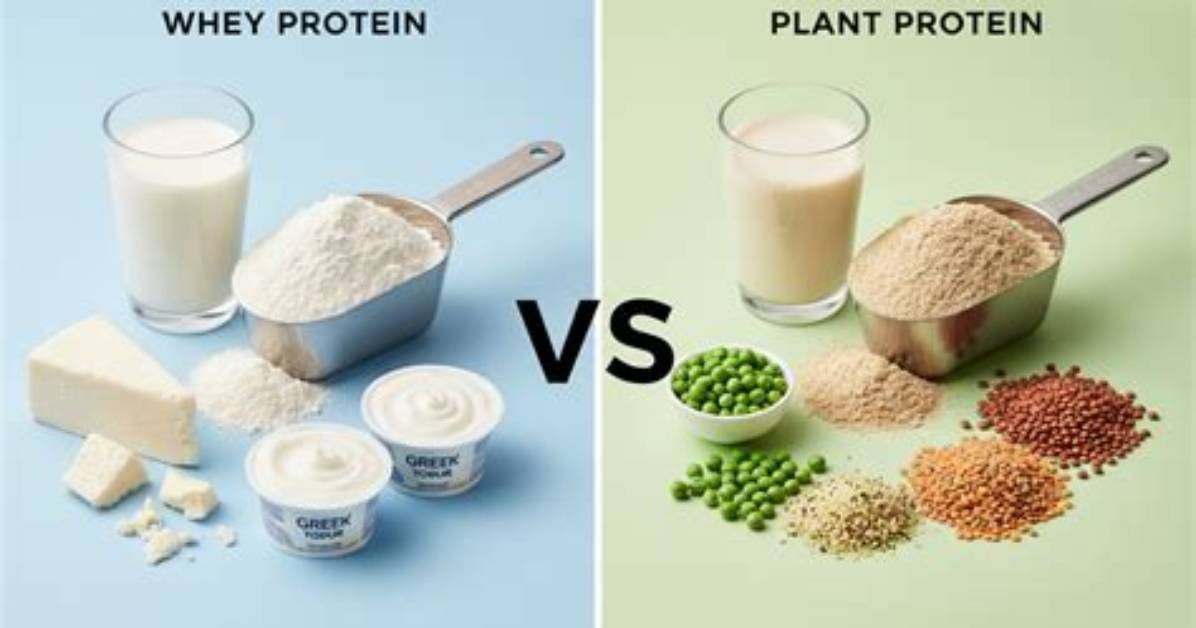
Muscle protein synthesis
There's simply no other way to start off a protein video than talking about muscle protein synthesis, or MPS. MPS uses the amino acids from the proteins you eat and drink to create new protein for growth and to repair muscle tissue.
You can stimulate MPS in two ways:
- Exercise
- Eating protein
The more you can increase MPS by eating protein, the more likely you‘ll be able to build muscle over time.
Must Read
Why do different proteins have different effects?
Amino acids
Proteins in different dietary sources are made up from amino acids. Each of these proteins is made up from different amino acids, and this is the main difference between vegan and dairy proteins.
Protein from meat, eggs and dairy have all the amino acids needed to stimulate MPS, whereas plant proteins have lower levels of some amino acids. This lack of certain amino acids is the reason some plant proteins don’t stimulate MPS as well as most animal proteins do.
Plant proteins are generally lower in:
- Methionine
- Lysine
- Leucine
You’ll have heard of pea protein and rice protein. Both are vegan friendly and incomplete protein sources. This means they don’t have all the essential amino acids needed to stimulate MPS. So this is where a protein blend comes in handy. A blend will normally be a mix of two incomplete proteins combined to form a complete protein source, with all the amino acids your body needs.
Pea protein is lower in the amino acid methionine and higher in lysine, while rice protein is higher in methionine and lower in lysine. Combining the two gives higher levels of both amino acids than they would have individually. These are called complementary proteins.
If your goal is MPS, getting all the essential amino acids is very important. Whey protein is high in all essential amino acids, especially leucine, the amino acid responsible for starting MPS. This is why it’s recommended for muscle building.
Digestibility
Plant proteins come from plants. Obviously.
You may remember from school biology class that plant structures are made up from cellulose and other types of plant fibers, which can be particularly heard to break down. They're also made up of some anti-nutrients. These substances can reduce the absorption of vitamins and minerals, making it harder for your body to digest plant proteins than animal proteins.
To put that into context, 85-95% of protein in eggs or chicken is absorbed, whereas only 50-75% of protein in whole plant sources is absorbed.
But all is not lost — when a plant-based protein is abstracted and purified to make a plant protein isolate, the protein absorbability increases to the same level as animal proteins. This processing can improve the nutritional value of plant-based protein powders.
Whey is naturally very easy and fast to digest. Therefore more of it gets absorbed and is used to stimulate MPS in your muscles.
Sophia analyzes international trade, startup ecosystems, retail transformation, and supply chain logistics for modern digital publications.
