
Effective as Retinol, but Gentler

Anyone with a Skincare Routine Has Probably Heard of Retinol. Also Known as Vitamin A, It's Arguably the Most Famous and Effective Anti-Aging Ingredient, but...
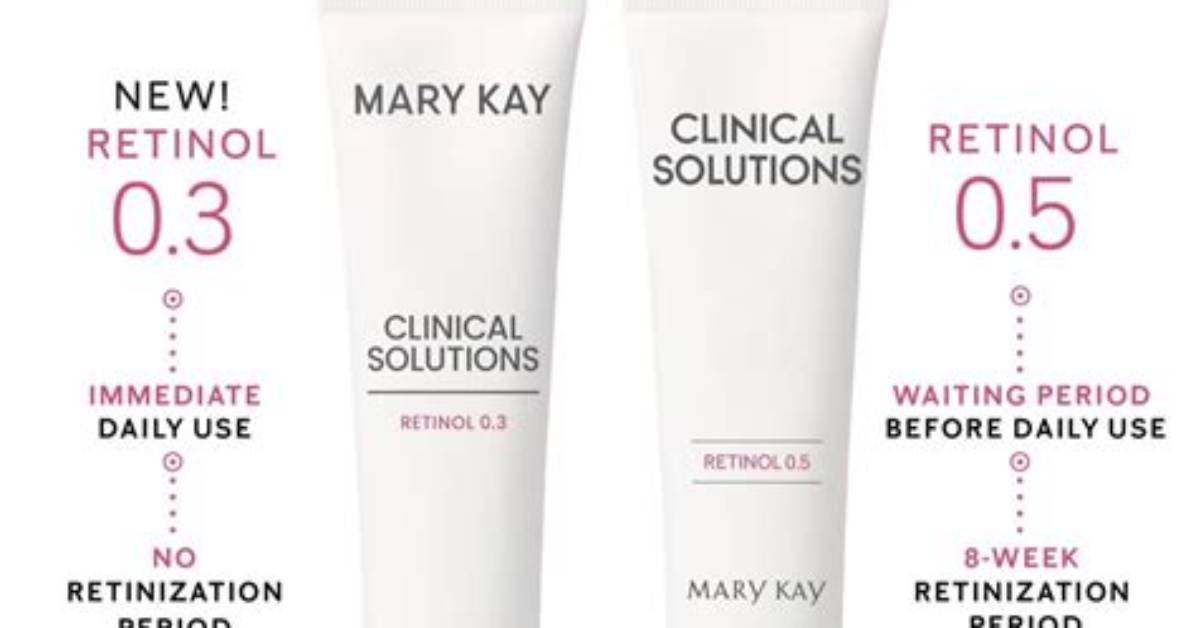
Anyone with a skincare routine has probably heard of retinol. Also known as vitamin A, it's arguably the most famous and effective anti-aging ingredient, but it can also treat a handful of other common skin concerns including texture, dark spots, and acne.
Since using retinol products can produce extraordinary results, dermatologists regularly recommend it, celebrities sing its praises, and beauty editors swear by it. The only problem is that retinol comes with some side effects, especially if you have sensitive skin. Dermatologists generally recommend easing into retinol by starting off only using a cream or serum once or twice a week until your skin builds up a tolerance. If you have extremely sensitive skin, going slow can still cause redness and peeling.
That's where retinyl palmitate comes in.
Sometimes called vitamin A palmitate, it's the least powerful retinoid. It's a solid option for those with extremely sensitive skin who still want to experience the benefits of retinol in their skincare routines without irritation.
Despite the fact that retinyl palmitate is mild, it can still improve the same skincare concerns a retinol would. "Retinyl palmitate boosts collagen in the skin, minimizes fine lines and wrinkles, and smooths the texture of the skin," says celebrity esthetician Shani Darden. "Gentler retinoids like retinyl palmitate are effective and you still get the benefits, just at a slower rate."
Ahead, find out what makes retinyl palmitate such a special ingredient, why it's the best retinoid for sensitive skin, and how to use it in your skincare routine.
What Is Retinyl Palmitate?
Typically, there are four different types of retinoids used in skincare, and all of them are vitamin A derivatives. Retinoic acid (also known as tretinoin) is the most potent retinoid and is only available with a prescription. On the other side of the spectrum is retinyl palmitate, the weakest retinoid, which is available in over-the-counter products.
"Once it's absorbed into the skin, retinyl palmitate is converted to retinoic with the help of enzymes," explains board-certified dermatologist Dr. Mona Gohara. Since this process isn't direct, it can take longer to see results when using retinyl palmitate.
Must Read
How Does Retinyl Palmitate Benefit the Skin?
Retinyl palmitate treats a long list of skincare concerns including fine lines, wrinkles, uneven texture, and dark spots. It also boosts collagen production, the proteins responsible for keeping skin firm and smooth.
"It [retinyl palmitate] speeds up cell turnover for a smoother, more even texture by producing new skin cells to replace old or damaged cells," explains board-certified dermatologist Dr. Azadeh Shirazi. "It also works on deeper skin layers to stimulate collagen production and fight wrinkles."
Dr. Shirazi says you can generally start to see results with retinyl palmitate products in four to six weeks. However, it's best to state consistent in order to reap the long-term benefits
"In general, retinoids have the best benefits when used in the long term, so it's worth it to stick with it," adds Darden.
VIDEO: How to Treat Under-Eye Wrinkles, According to Skincare Experts
Sarah Jenkins is a veteran tech journalist with over 12 years of experience covering artificial intelligence, mobile innovations, and digital ethics. Her insights have appeared in leading technology publications worldwide.
