
How to Get Rid of Maggots in Your Wheelie Bin

All It Takes Is One Fly to Get into a Wheelie Bin and Lay Eggs, Before You're Left with a Grumble of Maggots Wiggling Around the Plastic Container. a Maggot...
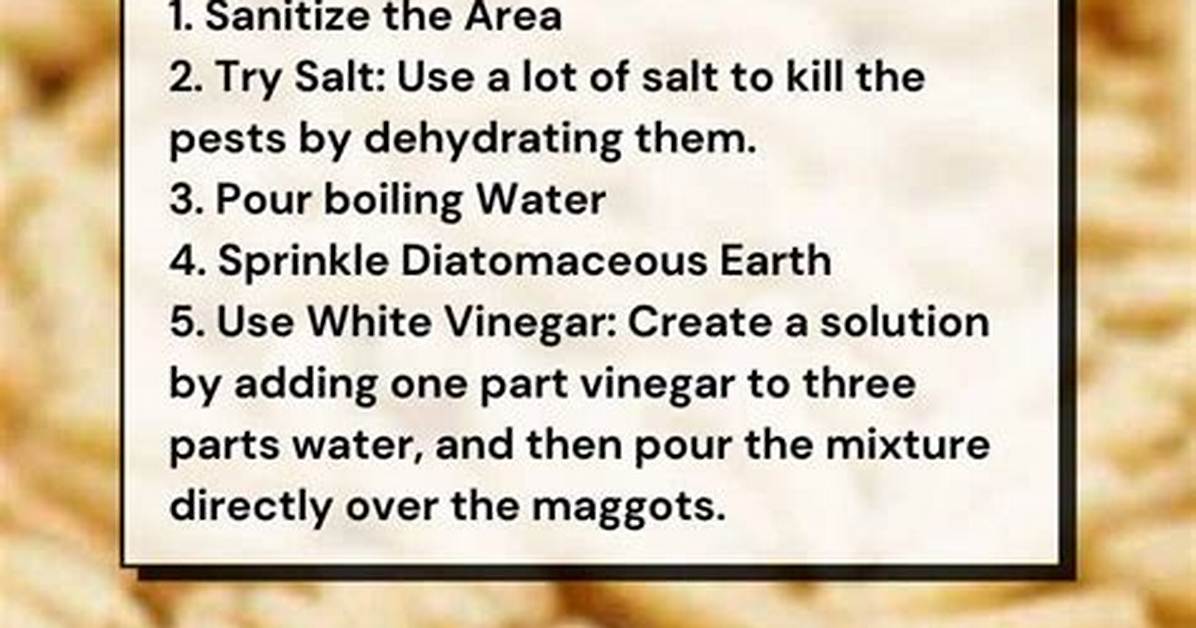
All it takes is one fly to get into a wheelie bin and lay eggs, before you're left with a grumble of maggots wiggling around the plastic container. A maggot infestation in your wheelie bin isn't uncommon, but it is unpleasant. Luckily, there are ways to quickly and safely get rid of these maggots.
Maggots are fly larvae, usually of the common house fly. Attracted to food and other rubbish, you will only have a problem with maggots if flies have easy access to your waste and dustbins. If flies settle on your rubbish, they may lay eggs which can hatch as maggots within 24 hours. This can then turn into a repetitive cycle.
While maggots and flies can become a problem any time of the year, they are especially prevalent during spring and summer. Generally, maggots live for around five to six days before turning into pupae and eventually transitioning into adult flies.
We asked David Cross, the head of technical training academy at Rentokil Pest Control and Natalie Bungay, a technical Officer at the British Pest Control Association, to give us the lowdown on what maggots are, what causes them, and how to get rid of them for good. With the weather warming up around the UK, you may notice a sudden infestation of maggots in your wheelie bin.
Keep reading for everything you need to know about getting rid of maggots, including what they look like and whether they are harmful to humans.
More pest control advice for:
What are maggots?
"Maggot is the general name given to fly larvae," David says. "Like flies, there are many species of maggot. They have a distinctive conical shape and typically cream or light brown colouring, with a dark mark on their posterior end which is a breathing hole. Maggots do not have teeth – instead they have mandibles that help them grasp food that has been broken down by the ridges on the exterior of their bodies.
"Flies lay their eggs on food sources to enable larvae to start eating from the moment they hatch. Over the course of several days maggots feast and prepare to pupate – where they form a hard shell and become a fly. Flies can lay a large number of eggs at a time, so maggots are often seen in large groups, but they have cannibalistic tendencies. One study by University of Lausanne found that even though fruit flies are vegetarian, they have been known to eat other maggots if one becomes injured."
What causes maggots?
"Maggots thrive on rotting fruit and waste and feed for about five days before they turn into flies, so it's vital to get rid of them before they can pupate," Dominic Lees-Bell, cleaning expert at kitchen and bathroom retailer, Tap Warehouse, says.
You are likely to find maggots crawling in rubbish around your home, especially when the temperature warms up. "With waste rotting faster in the heat, your bins should be cleaned more frequently than usual; make an effort to wash out your bin, on top of taking the rubbish out," adds Dominic.
"Flies have a relatively short lifecycle and a quick gestation period," says David. "For a large portion of their lifecycle flies exist in the form of larvae (maggots).
"While the odd fly on your premises is unavoidable at times, the presence of maggots can be prevented. Flies lay their eggs in places that offer the best chances of survival, as a result you are most likely to see them in large clusters on food sources such as decomposing organic matter. Keeping your home, garden and driveway clean and ensuring bins are regularly emptied will go a long way to preventing maggots from appearing. Rentokil has also developed its Mini Fly Box, which can be fitted inside food waste bins, attracting and killing flies using an insecticide, before they have the opportunity to lay eggs on food waste."
James Sterling reports on renewable energy developments, climate policy, ecological conservation, and green tech innovations around the globe.
