
How to Understand Fertilizer Numbers

Whether You’re Trying to Green up Your Lawn or Raise Award-Winning Pumpkins, It's Important to Feed Your Plants. but the Numbers and Letters on a Bag of...
Whether you’re trying to green up your lawn or raise award-winning pumpkins, it's important to feed your plants.
But the numbers and letters on a bag of fertilizer can be confusing. Is 10-10-10 different from 13-13-13? Which numbers are important, and which can be too much?
Unless you've done a soil test (which we recommend), you have no idea what nutrients are already in your soil—or not. Here’s how to take the mystery out of fertilizing to avoid wasting time and money.
What do fertilizer numbers and letters mean?
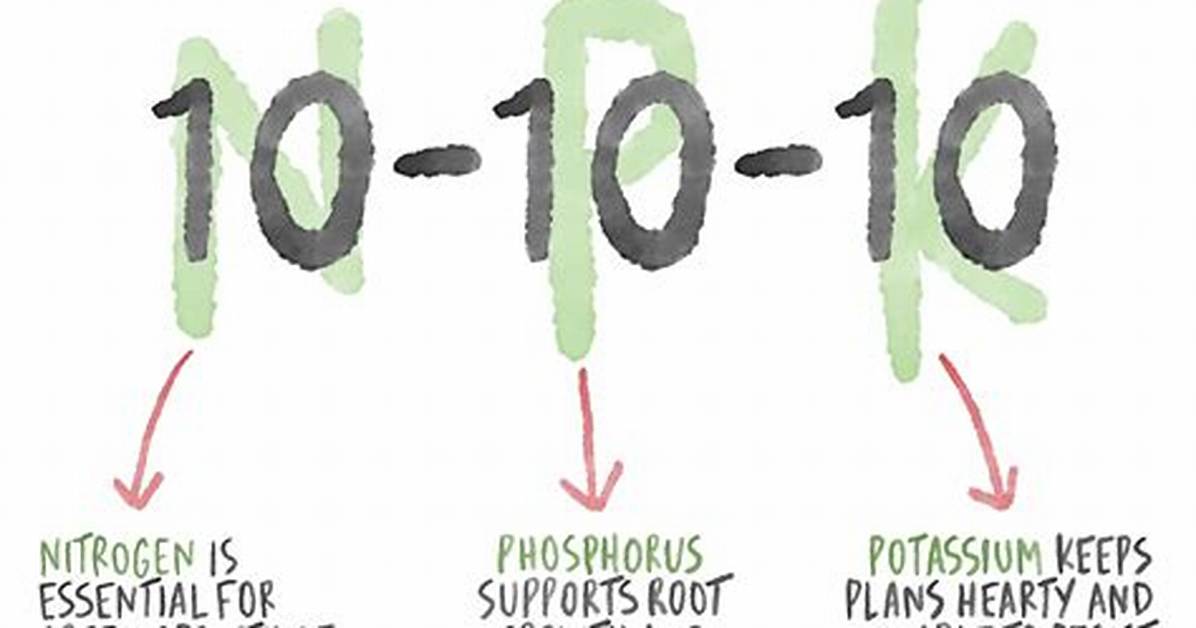
The three numbers on every bag of fertilizer refer to the three most important nutrients for growing plants. They are, listed in order, N, P, and K. Each of those are also elements.
If you don't remember the periodic table from your high school chemistry class, it's okay. N stands for Nitrogen, P for Phosphorus, and K for potassium.
In a nutshell, the total listing of NPK numbers represent the percentage of each specific element found within a fertilizer formula. So, a fertilizer that contains 5-10-10 means it has 5 percent nitrogen, 10 percent phosphorus (phosphate), and 10 percent potassium (potash). A “complete” fertilizer contains all three.
What do the different nutrients do?
Each nutrient plays a different role. Nitrogen boosts green leafy growth.
“It’s like the gas pedal,” says John Esslinger, a retired horticulture educator at Penn State Extension. “That’s why many lawn fertilizers are high in nitrogen to promote leafy growth.”
Phosphorus helps strong roots form. Plants lacking in phosphorus may be purple-ish and slow-growing.
Potassium helps promote vigorous growth and hardiness, so a deficit may result in wimpy fruit or spindly plants that fall prey to pests and diseases.
Maya is a hardware enthusiast who tests and reviews smart home devices, smartphones, wearables, and audio gear. She focuses on practical consumer value and build quality.
