
It Security Certifications: an Introduction

With Cyber Breaches Becoming Increasingly Prevalent, There Is an Increased Need for Cybersecurity Professionals. According to the Cyber Risk Analytics 2019...
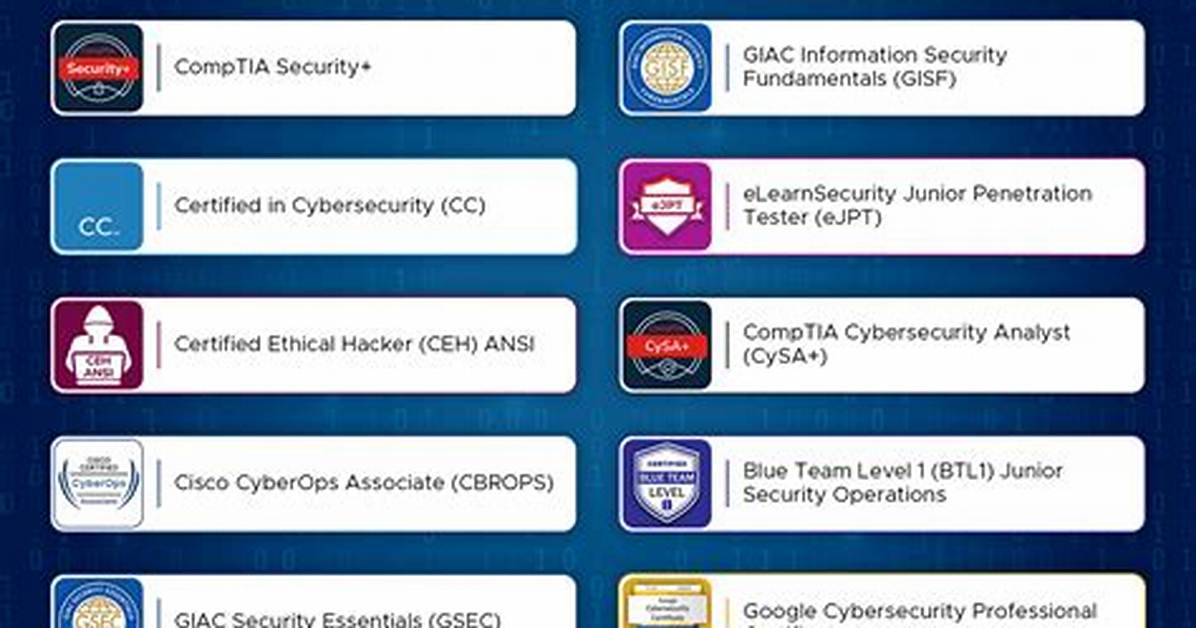
With cyber breaches becoming increasingly prevalent, there is an increased need for cybersecurity professionals. According to the Cyber Risk Analytics 2019 Midyear Report, there were 3,800 reported breaches in the first half of the year, up by more than 50% from the previous year. Notably, of the breaches reported, more than 60% were the result of human error.
What this means is that there is an ever-increasing need for skilled and well-trained cybersecurity professionals. When looking to hire and promote employees, many companies look for professionals with highly-regarded certifications. For IT professionals, certifications are a good way to develop skills, gain a competitive edge, and to be eligible for higher salaries than peers without the certification.
While there are many benefits to having IT security certifications, with so many different certifications available, it can be hard to know which ones are worth the time, effort, and expense. To help navigate this saturated area, here is a list of some of the most sought after and highly-regard IT security certifications.
(This article is part of our Security & Compliance Guide. Use the right-hand menu to navigate.)
CompTIA Security+
The CompTIA Security+ certification is a good place to start with IT security certifications and is geared towards entry-level security professionals. This certification has the basic goal of building a strong IT security foundation. To earn this certification, professionals need two years of IT experience and then need to pass an exam that covers a range of topics including network attack strategies and defenses; components of strong security policies; best practices for security; disaster recovery and continuity; and encryption products and standards.
This general cybersecurity certification is good for anyone that is interested in getting a good entry into IT security, and earning this certification will demonstrate expertise with some important security topics, including threat management, cryptography, identity management, security systems, security risk identification, and security infrastructure. Notably, because all IT professionals need some security experience, the CompTIA Security+ is a beneficial certification for individuals in roles outside of security, for example, developers and support analysts.
Certified Information Systems Security Professional (CISSP)
CISSP is another general security certification that is not vendor-specific. Referred to by some as the “crown jewel” of security certification, it’s a high-level certification that is universally recognized and highly sought after by many employers. Offered by the International Information Systems Security Certification Consortium (ISC2), CISSP covers some key cybersecurity categories like access control, cryptography, telecommunications, and networking. Professionals with this certification have the skill sets needed to effectively design, implement, and manage cybersecurity systems.
To be eligible for this certification, individuals must have 3-5 years of relevant experience prior to taking the exam. This certification is essential for individuals wanting to move into a chief information security officer (CISO) role and is helpful for IT managers, analysts, system engineers, and consultants.
David Miller brings 15 years of experience in global economics, personal finance strategy, and market dynamics. He specializes in turning complex economic trends into actionable insights for everyday readers.
