
The Ultimate Vegan Food List | Substitute Your Shopping

World Vegan Month Is the Perfect Time to Give the Vegan Lifestyle a Try. If You’re New to Following a Plant-Based Lifestyle, It’s Pretty Normal to Be Concerned...
World Vegan Month is the perfect time to give the vegan lifestyle a try.
If you’re new to following a plant-based lifestyle, it’s pretty normal to be concerned about whether or not you’re getting all the nutrients you once got from animal products.
From baking ingredients to snacks, if you’re new to veganism and want to know where to get started, here’s your list.
What Are The Vegan Essentials?
The essentials in all diets are proteins, carbs, fats and vitamins — and being vegan is simply a matter of identifying the best substitutes and keeping a steady supply of them at home for when you come to prepare your food.
Nuts
These are a great source of protein, fiber and healthy fats — making them a really satisfying snack option on their own, or you could use them as a crunchy garnish in salads, or in hot dishes like satay noodles.
Beans
The musical fruit. Full of fiber, antioxidants, and protein, beans are the nutritious legumes that are super versatile — eat them on their own, in salads, or as a great meat-replacing ingredient in recipes.
Quinoa
Did someone say superfood? This gluten-free, protein-filled joy gives you all nine essential amino acids and makes an excellent side dish or mains mixer. You can also use it in non-savory dishes, for example as an oat substitute in overnight oats.
Flaxseeds
Flaxseeds are full of fibre and omega-3 fatty acids. They’re versatile, too — ground up and added to water they make a nutritious egg and butter replacement.
Jackfruit
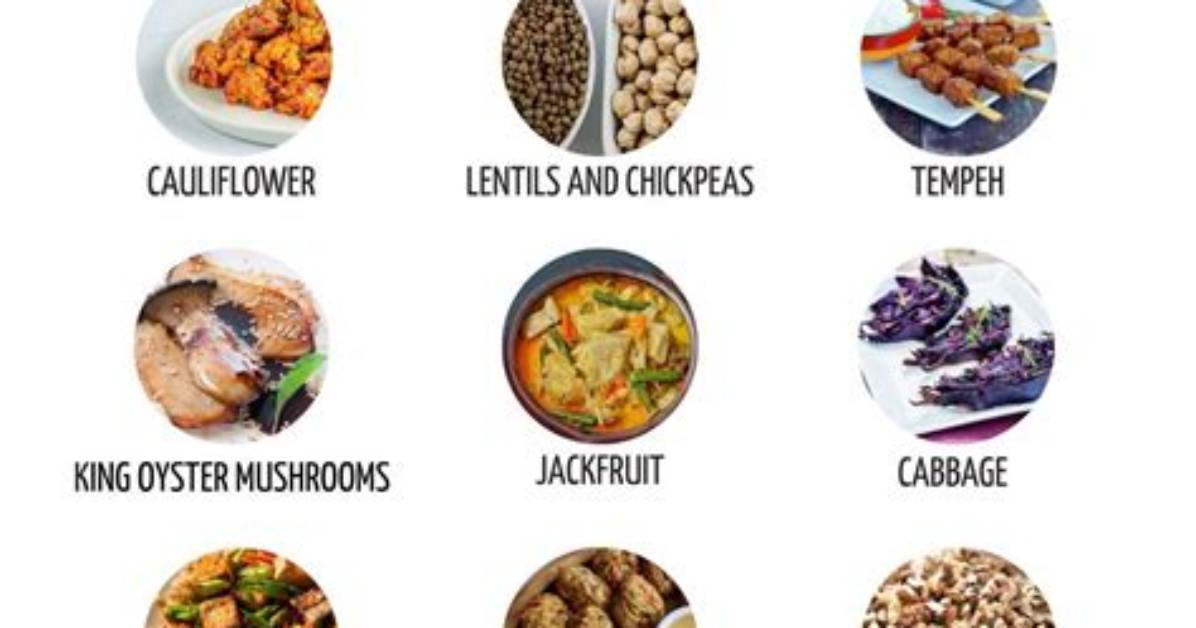
Jackfruit has a distinctly ‘meaty’ texture that can help the transition to going meat-free, it's renowned for being amazing as a pulled-pork substitute. It’s a great source of starchy carbohydrates and fiber, and the seeds from it can be served as a salty snack or even in curries.
Best Milk Substitutes
Milk features in the average diet in so many ways and it may seem irreplaceable when considering its mighty nutrient content, but rest assured there are many great tasting alternatives to suit vegan needs.
Soy Milk
Soy milk is derived from soybeans and imitates the creamy consistency of dairy milk for new vegans. It also comes in a broad range of flavours for anyone unsure about the taste.
Good news: the protein content is around the same as cow’s milk. It’s high in calcium, vitamins, magnesium and potassium, and is low in saturated fats and sugar.
Rice Milk
Rice milk is naturally sweet and is made from healthy brown rice grains. As a good-for-you substitute, this is the way to go with its abundance of protein, carbs, antioxidants and lack of saturated fats.
Almond Milk
Here’s a popular one, with its sweet, nutty undertones. It meets 30 percent of your daily recommendation for calcium and is full of vitamin D – all without saturated fats, cholesterol or lactose.
Hemp Milk
Hemp milk derives from the hemp tree and is noted as being one of the healthiest alternatives going with its earthy taste. It can contain up to 10 essential amino acids and is a great source of omega-3 fatty acids and omega-6 fatty acids.
Oat Milk
Becoming more and more popular in recent years due to its creamy-ness that regular milk would be envious of. Oat milk is ideal to go in recipes that need a rich creamy texture, or for those who like a more indulgent coffee in the morning. Rich in vitamin B12 and Calcium, oat milk is a must-try for any new vegans.
Alexander Ross has covered the video game industry for a decade, writing deep dives on game design, esports tournaments, VR developments, and gaming culture.
