
What Is Extrapolation? What Is the Extrapolation Formula?

What Is Extrapolation? Extrapolation Refers to the Process of Estimating or Predicting Values Outside of the Range of Known Data. It Involves Using a...
What is Extrapolation?
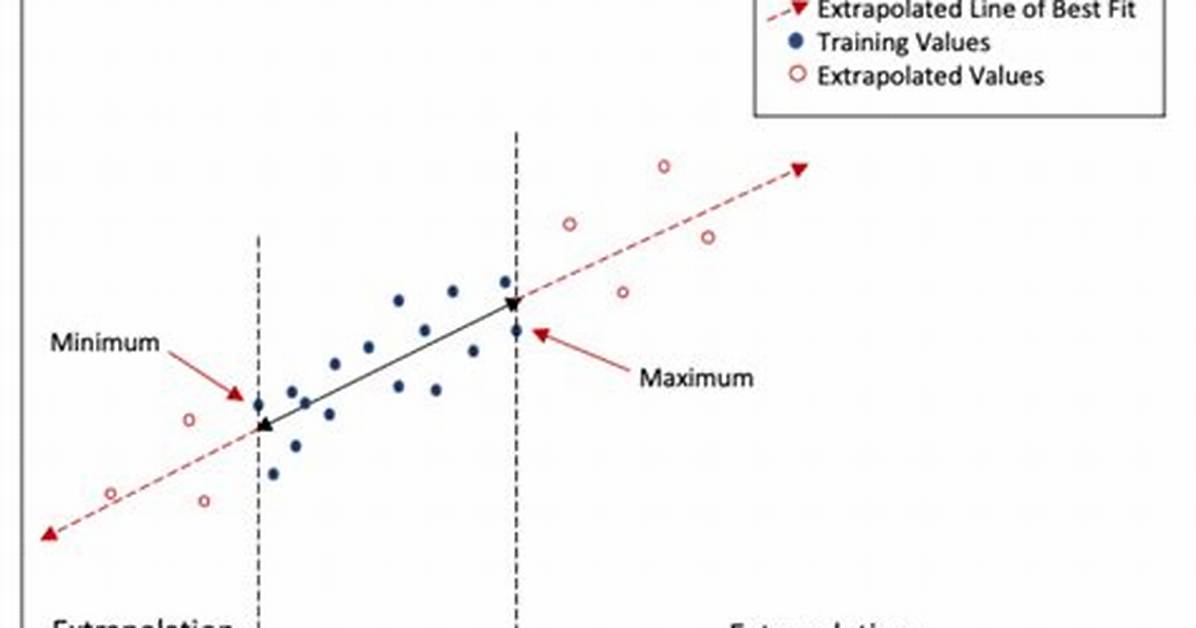
Extrapolation refers to the process of estimating or predicting values outside of the range of known data. It involves using a mathematical model to make inferences about data beyond the observed range.
To put it simply, extrapolation is like trying to predict the future based on the past. It assumes that trends observed in the known data will continue in the unknown data. However, this assumption can be risky if the underlying assumptions of the model are not met or if there are unexpected changes in the data.
Extrapolation is widely used in fields such as economics, engineering, and science to make predictions about future trends and outcomes. For instance, extrapolation can be used to predict future sales based on past sales data or to estimate the value of a stock in the future based on historical prices.
In summary, extrapolation is a useful technique for predicting values beyond the observed range of data. However, it requires careful consideration of the underlying assumptions and potential risks associated with making predictions based on incomplete information.
Must Read
What is Extrapolation With Example?
Extrapolation is a statistical method used to estimate values outside the range of known data. It involves using mathematical models to predict trends beyond the observed data. In simple terms, extrapolation is the process of forecasting future outcomes based on past data trends.
To better understand extrapolation, let's consider some examples. Suppose a company has sales data for the past five years and wants to predict sales for the next year. The company can use extrapolation to estimate future sales based on the trends observed in past sales data.
Another example of extrapolation is predicting the value of a stock in the future based on its historical prices. If the stock has been steadily increasing in value over the past few years, extrapolation would suggest that it will continue to increase in value in the future.
However, extrapolation can also be risky if the underlying assumptions of the model are not met or if there are unexpected changes in the data. For instance, if the sales data has been affected by an external factor like a pandemic or a change in market conditions, extrapolation may not accurately predict future sales.
In summary, extrapolation is a valuable statistical tool for estimating values beyond the range of known data. It can be used to predict future trends and outcomes, but it requires careful consideration of the underlying assumptions and potential risks.
Chloe Bennett explores the intersection of pop culture, streaming entertainment, digital trends, and contemporary lifestyle. Her weekly commentary reaches thousands of culture enthusiasts.
